
Physical Computing
Physical computing is when computers and code are used to interact with the real world. This involves using sensors, buttons, lights, motors and other hardware to make something happen. The computer takes inputs (like pressing a button or sensing movement) and gives outputs (like turning on a light or moving something).
Benefits of Physical Computing
Physical computing helps make computing more interactive and creative.
-
Lets people build and control real-world projects
(e.g. turning on lights, controlling motors) -
Makes learning about programming hands-on and fun
(e.g. coding to make gadgets respond to sensors) -
Encourages creativity and problem solving
(e.g. inventing and building gadgets or robots) -
Can be used for useful tasks and automation
(e.g. automatic plant watering systems)
Current Applications of Physical Computing
Physical computing is already used in many places:
-
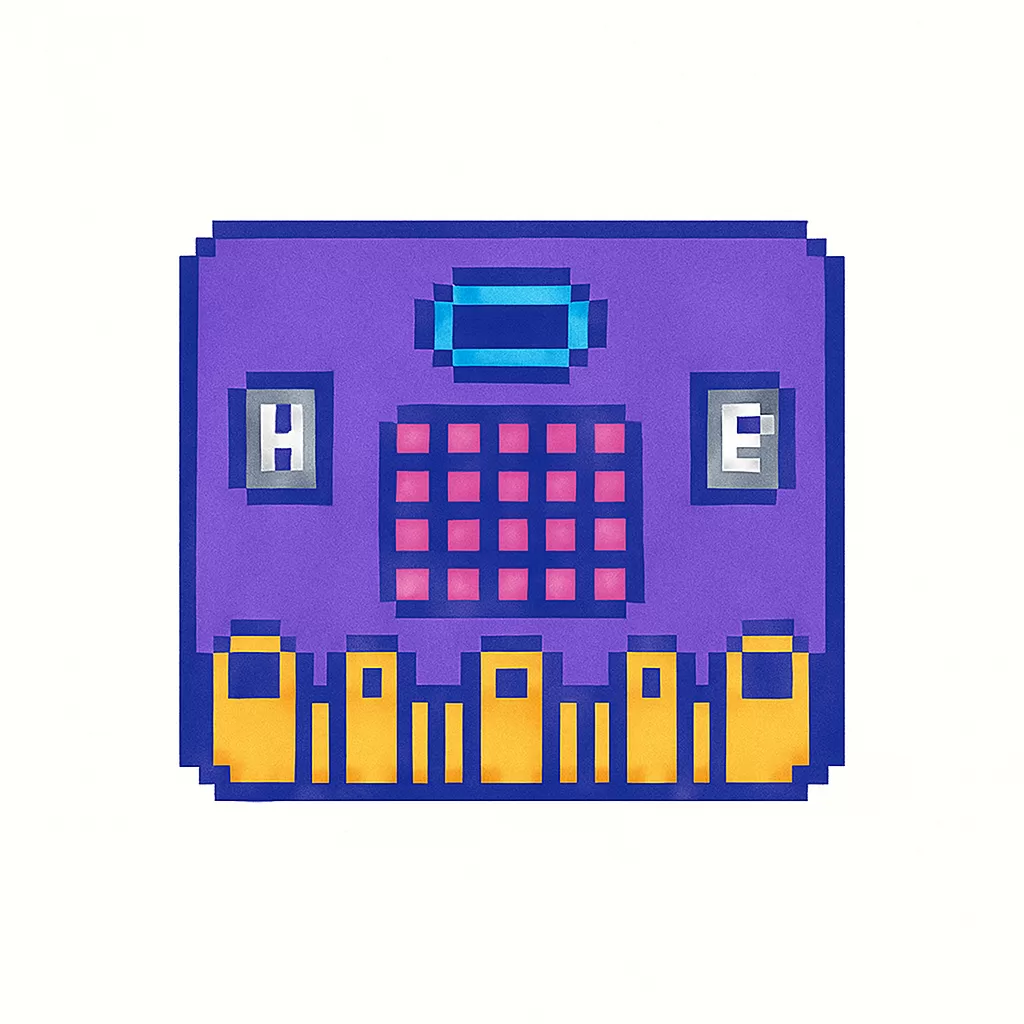
School projects (e.g. using Raspberry Pi or Micro:bit to make simple devices)
-
Robotics (e.g. coding robots to move and react to the environment)
-
Smart devices (e.g. buttons, sensors and displays in gadgets and appliances)
-
Art and design (e.g. interactive art or music that reacts to people)
Physical Computing's impact on Society
Education
-
Makes learning programming more engaging and hands-on.
-
Helps pupils build problem-solving and creative skills.
Work
-
Automation using physical computing can make some jobs quicker and easier.
-
Some tasks may be replaced by machines controlled through physical computing.
Environment
-
Can make systems more efficient (e.g. automatic systems that save energy).
-
However, making and using physical devices requires materials and energy.
Future uses of Physical Computing
Physical computing will continue to grow as more devices connect to computers and the internet.
-
More advanced robotics and automation in homes and workplaces
-
Smarter home devices controlled by simple physical inputs
-
Wearable technology that responds to the environment
-
New creative projects combining coding and physical objects in schools and industries
Physical computing links computers to the real world through sensors, buttons, lights and more. It makes coding hands-on and fun, and is already used in schools, homes and workplaces. In the future, it will help create smarter and more interactive devices, though care must be taken to use it responsibly.