
Virtual Reality (VR)
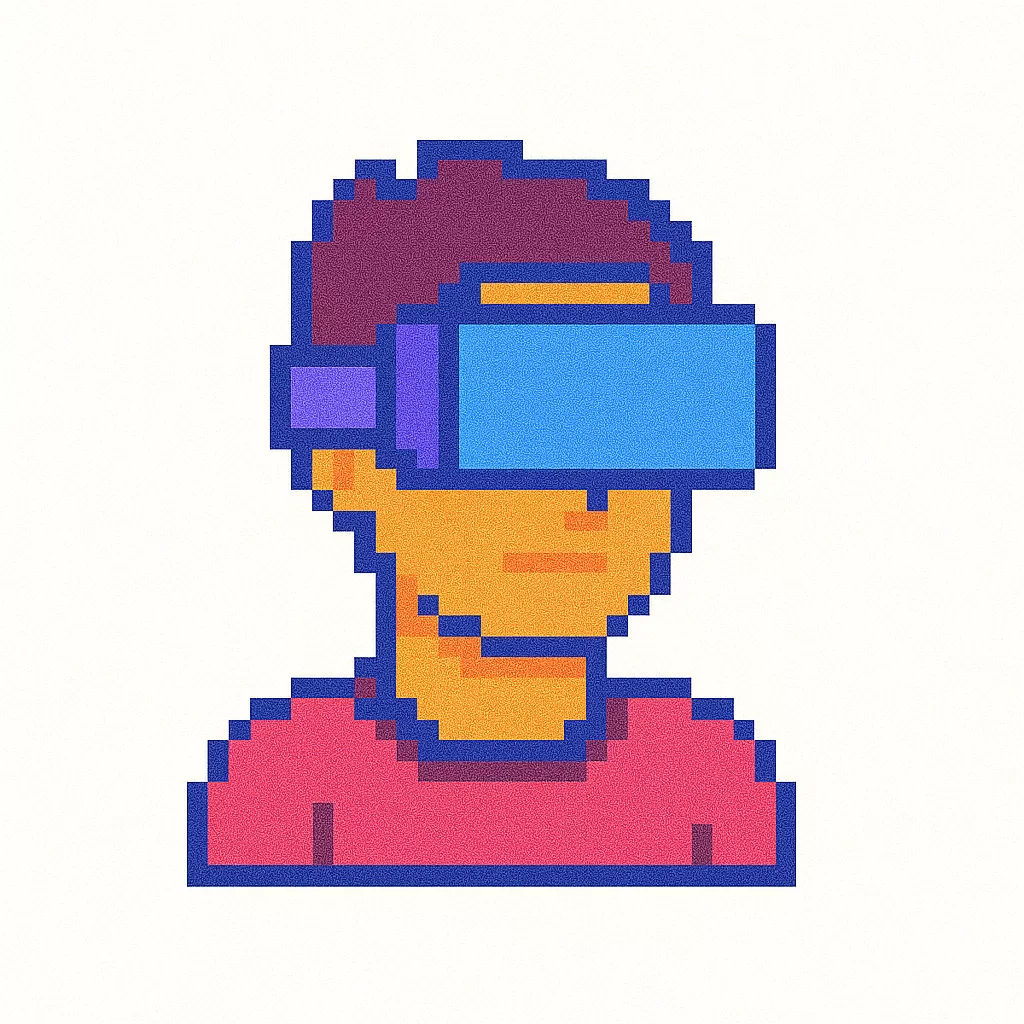
Virtual Reality, or VR, is a technology that creates a completely computer-generated world. When using VR, people wear a headset that blocks out the real world and shows a digital one instead. VR can make users feel like they are inside games, places or situations that do not really exist.
Benefits of Virtual Reality
VR has been developed to offer new and exciting ways to experience and learn about the world.
-
Create realistic training and learning experiences
(e.g. practising skills in a safe environment) -
Make games and entertainment more immersive and exciting
(e.g. feeling like you are inside a game) -
Allow virtual travel and exploration
(e.g. visiting faraway places without leaving home) -
Help with medical treatment and relaxation
(e.g. reducing pain or helping people with anxiety)
Current Applications of Virtual Reality
VR is already used in many areas:
-
Gaming and entertainment (e.g. VR headsets for immersive video games)
-
Education and training (e.g. VR simulations for pilots or doctors)
-
Virtual tours and experiences (e.g. museums, space, or historical sites)
-
Medical therapy (e.g. pain relief and mental health support)
Virtual Reality's impact on Society
Education
-
VR makes learning more exciting and offers safe ways to practise skills.
-
Not all schools can afford VR equipment yet.
Work
-
VR helps people train safely and prepares them for real-life situations.
-
Some jobs may change as training and meetings move into virtual spaces.
Environment
-
VR can reduce travel by visiting places virtually, which helps cut pollution.
-
However, VR headsets and equipment use energy and need to be replaced over time.
Future uses of Virtual Reality
VR technology is still improving and could be used even more in the future:
-
Virtual classrooms and lessons where pupils can join from anywhere
-
More realistic training for dangerous jobs (e.g. firefighters, soldiers)
-
Social spaces in VR where people meet and chat as if in the same room
-
New types of entertainment and interactive media
Virtual Reality creates digital worlds that people can enter and explore. It is already used for games, learning and training, and may become more common in everyday life. VR brings many benefits but also creates challenges, such as making sure everyone can access it.