The Internet

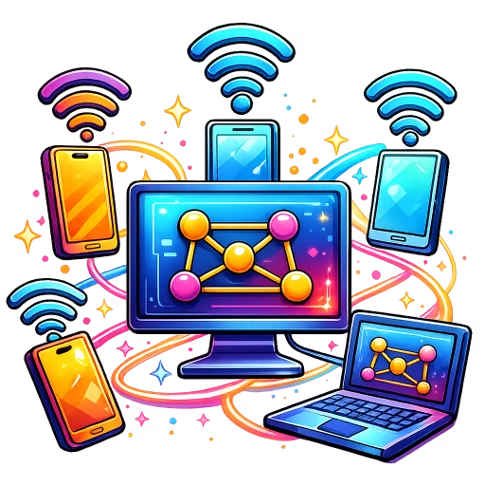
The internet connects devices worldwide, enabling communication and information sharing.

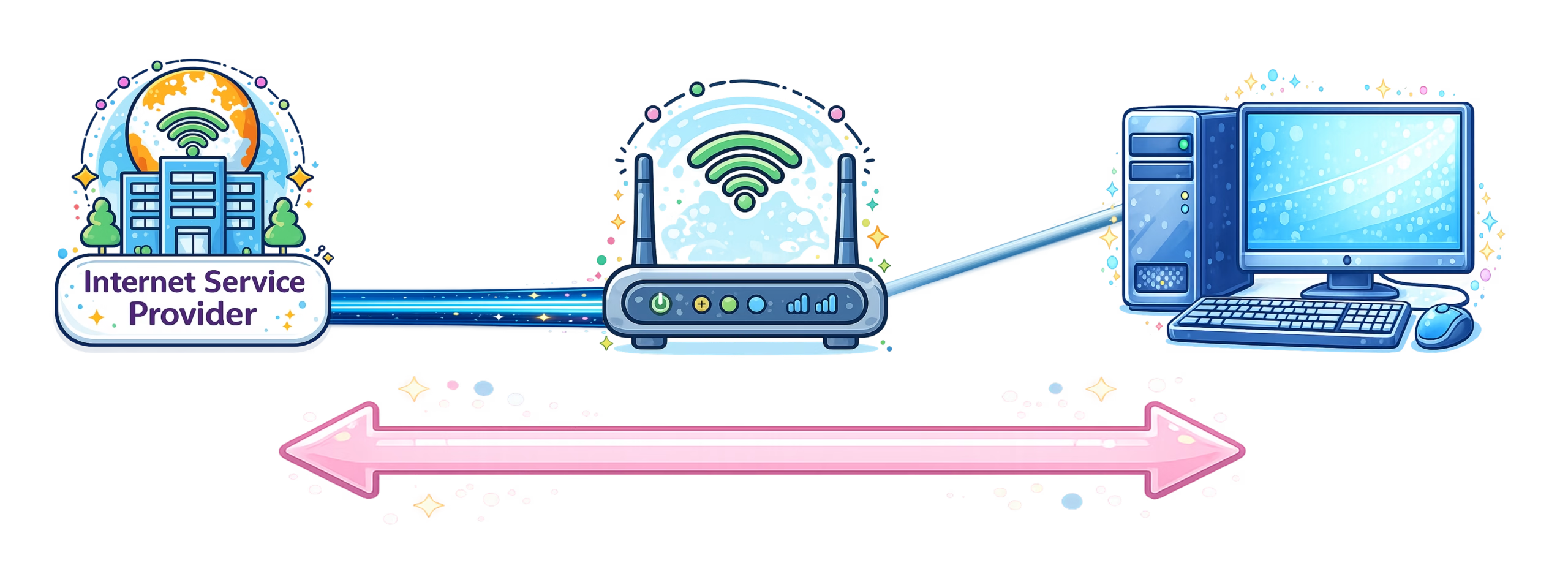
Typically, there are three main components that are required in order to connect to the internet.

Internet Service Provider

An Internet Service Provider (ISP) is a company that provides access to the Internet. They connect your home or business to their network, allowing you to browse websites, stream videos, and use online services. ISPs charge a fee for their services and offer different speeds and plans, like broadband or fibre-optic connections.

Router

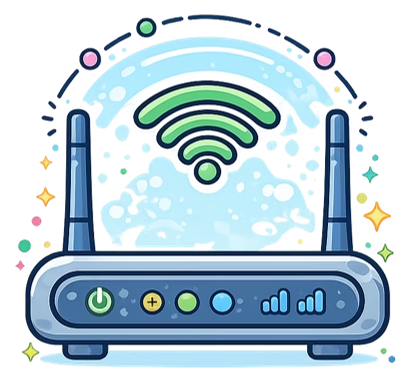
A router is a device in your home that connects all your devices (like phones, laptops, and smart TVs) to the Internet. It directs data between your devices and the wider Internet, ensuring the information gets to the right place.

Cables

Cables are crucial in connecting devices to the Internet Service Provider.

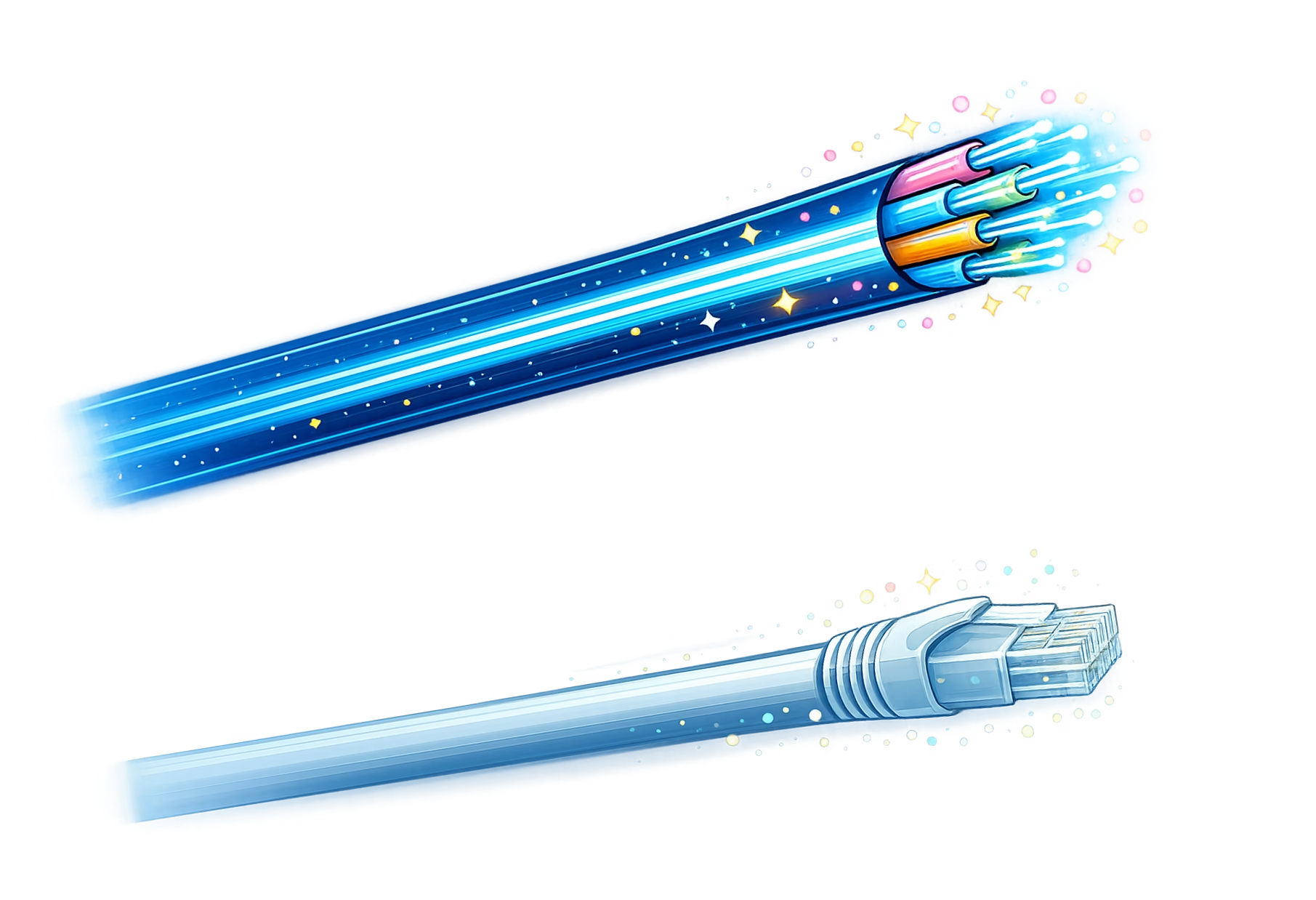
Currently, all common Internet Service Providers connect their customers to the internet using Fibre Optic Cables. These cables run under the ground in streets and transfer the data at high speeds to and from each customers Router.

From the router, customers can connect their devices using Ethernet Cables (or using Wireless) so that each device can access the internet.

Using the Internet

Here’s how a router, ISP, and the Internet work together to stream a movie in your home:

  1. Start the Request: Your TV sends a request to play a movie to your router.
  2. Send to ISP: The router forwards the request to your Internet Service Provider (ISP).
  3. Access the Internet: The ISP connects to Netflix’s servers on the Internet to retrieve the movie data.
  4. Return the Data: Netflix sends the movie data back to the ISP.
  5. Deliver to Router: The ISP sends the data to your router.
  6. Stream to TV: The router delivers the movie data to your TV, allowing you to watch the movie.

Targets

Describe the purpose of the internet

Describe the purpose of routers and cables

Describe the purpose of an internet service provider (ISP)